
This manual provides essential information for 2017 Ford Explorer owners, covering operation, maintenance, and safety features. It’s a vital resource for maximizing your vehicle’s performance and longevity, ensuring a safe and enjoyable driving experience.
Overview of the Manual’s Purpose
This owner’s manual serves as a comprehensive guide to your 2017 Ford Explorer, designed to familiarize you with its features and ensure safe, efficient operation. It details everything from understanding dashboard symbols and operating the SYNC 3 infotainment system to performing routine maintenance like oil changes and checking tire pressure.
The manual’s primary goal is to empower owners with the knowledge needed to confidently use and care for their vehicle. It outlines important safety precautions, explains the functionality of various components – including the engine, transmission, and keyless entry system – and provides troubleshooting tips for common issues like battery problems or warning lights.
Furthermore, it details warranty coverage and claim procedures, offering peace of mind and a clear understanding of your vehicle’s protection. Essentially, this manual is your go-to resource for all things related to your 2017 Ford Explorer.
Important Safety Precautions
Your safety is paramount when operating a 2017 Ford Explorer. This manual emphasizes crucial safety precautions to minimize risk and protect occupants. Always wear seatbelts, and ensure children are properly secured in appropriate child restraint systems. Never operate the vehicle under the influence of drugs or alcohol.
Be aware of dashboard warning lights, as they indicate potential mechanical issues requiring immediate attention. Familiarize yourself with the vehicle’s safety features, including the anti-lock braking system and airbags. Regularly check fluid levels and tire pressure to maintain optimal performance and safety.
Avoid distractions while driving, such as mobile phone use, and adhere to all traffic laws. Proper maintenance, as outlined in this manual, is also a vital safety precaution. Ignoring warning signs or neglecting maintenance can compromise vehicle safety.

Understanding Your Vehicle
This section details the 2017 Ford Explorer’s components, from dashboard indicators to the keyless entry system. It’s designed to familiarize you with its features.
Dashboard Symbols and Indicators
The 2017 Ford Explorer’s dashboard utilizes a comprehensive system of symbols and indicators to communicate vital vehicle information to the driver. Understanding these alerts is crucial for safe operation and preventative maintenance. Illuminated symbols require immediate attention, potentially indicating a serious mechanical issue or safety concern.
Familiarize yourself with warning lights like the check engine light, oil pressure warning, and battery indicator. Informational lights, such as those for headlights or turn signals, confirm system activation. The owner’s manual provides a detailed explanation of each symbol, including recommended actions when a warning light appears. Ignoring these signals could lead to costly repairs or even a hazardous driving situation. Regularly reviewing these indicators ensures proactive vehicle care.
Instrument Cluster Features
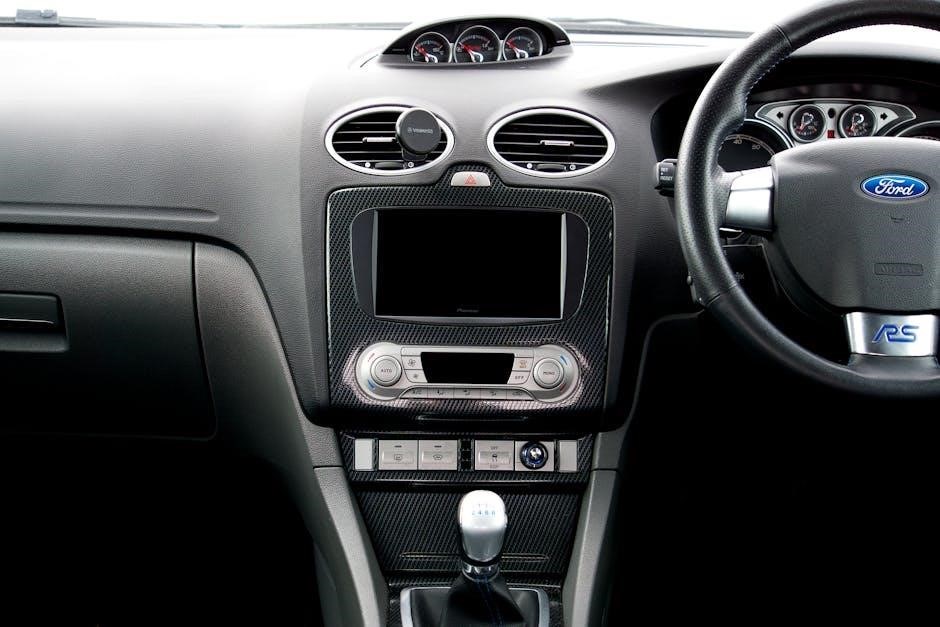
The 2017 Ford Explorer’s instrument cluster is designed to deliver critical driving information at a glance. Beyond the speedometer and tachometer, it incorporates a multi-information display configurable to show trip data, fuel economy, and vehicle settings. Drivers can customize the display to prioritize the information most relevant to their needs.
The cluster also houses indicator lights for various systems, including safety features and drivetrain status. Utilizing the steering wheel-mounted controls, drivers can navigate menus and adjust settings without diverting attention from the road. Understanding the layout and functionality of the instrument cluster enhances the overall driving experience and promotes informed vehicle operation. Refer to the owner’s manual for detailed customization options.
Keyless Entry and Remote Start System
The 2017 Ford Explorer offers a convenient keyless entry system, allowing access without physically inserting a key. Simply having the key fob in your pocket or purse enables unlocking the doors and starting the engine with the push of a button. The remote start system allows pre-conditioning the vehicle’s interior, ensuring a comfortable cabin temperature before entering.
Programming additional key fobs and understanding the system’s range are detailed in the owner’s manual. Proper operation includes awareness of safety precautions, such as ensuring the vehicle is in park before remote starting. This feature enhances convenience and comfort, particularly in extreme weather conditions, providing a seamless ownership experience.

Operating Your 2017 Ford Explorer
This section details the practical aspects of driving your Explorer, including starting, stopping, selecting drive modes, and performing essential fluid checks for optimal performance.
Starting and Stopping the Engine
Starting your 2017 Ford Explorer is generally straightforward. Ensure the vehicle is in Park (P) or Neutral (N), and firmly press the brake pedal. Then, press the start/stop button until the engine comes to life. If the engine doesn’t start, repeat the process, checking the battery and fuel levels if issues persist.
To stop the engine, simply press the start/stop button once. The engine will shut down, and the vehicle will enter Park. Avoid turning off the engine while driving, as this can compromise steering and braking functionality. Always ensure the vehicle is completely stopped before switching off the ignition. Familiarize yourself with these procedures for safe and efficient operation.
Driving Modes (Selectable Drive Modes)
Your 2017 Ford Explorer may feature Selectable Drive Modes, enhancing performance and control in various conditions. These modes, typically accessed via a control knob, include Normal, Sport, and Snow/Ice. Normal mode is ideal for everyday driving, balancing fuel efficiency and responsiveness.
Sport mode sharpens throttle response and steering feel, providing a more engaging driving experience. Snow/Ice mode optimizes traction control for slippery surfaces, enhancing stability. Consult your owner’s manual for specific details on available modes and their operation. Understanding and utilizing these modes can significantly improve your driving experience and safety.
Fueling and Fluid Checks
Maintaining proper fluid levels is crucial for your 2017 Ford Explorer’s performance and longevity. Regularly check engine oil, coolant, brake fluid, power steering fluid (if applicable), and windshield washer fluid. Refer to the owner’s manual for specific fluid types and capacities.
When fueling, use the recommended octane rating specified in the manual. Avoid overfilling the fuel tank. Inspect fluid levels during routine maintenance, and address any low levels promptly. Proper fluid maintenance prevents damage and ensures optimal vehicle operation. Always dispose of used fluids responsibly, following local regulations.

Maintenance and Care
Regular maintenance extends your 2017 Ford Explorer’s life and ensures safety. Follow the recommended schedule for oil changes, tire rotations, and fluid inspections.
Recommended Maintenance Schedule
Maintaining your 2017 Ford Explorer according to the recommended schedule is crucial for its longevity and reliable performance. This schedule, detailed in your owner’s manual, outlines specific intervals for various services. Every 7,500 to 10,000 miles (or annually, whichever comes first), an oil and filter change is essential. Regularly inspect and rotate tires to ensure even wear, typically every 5,000 miles.
Fluid level checks – including engine coolant, brake fluid, power steering fluid, and windshield washer fluid – should be performed monthly. Air and cabin air filters require periodic replacement, often around 15,000 to 20,000 miles. More extensive services, like spark plug replacement and transmission fluid changes, are scheduled at higher mileage intervals, as specified in the manual. Adhering to this schedule helps prevent costly repairs and keeps your Explorer running smoothly.
Oil Change Procedures
Performing regular oil changes is vital for your 2017 Ford Explorer’s engine health. First, warm up the engine slightly. Locate the oil drain plug underneath the vehicle and position a drain pan. Carefully remove the plug, allowing the old oil to drain completely. While draining, remove the old oil filter using an oil filter wrench.
Lightly lubricate the gasket of the new oil filter with fresh oil and screw it on hand-tight. Reinstall the drain plug with a new crush washer, tightening to the specified torque. Finally, add the correct amount and type of oil (refer to your owner’s manual) and check the oil level with the dipstick. Properly dispose of the used oil and filter at a recycling center.
Tire Pressure Monitoring System (TPMS)
Your 2017 Ford Explorer features a Tire Pressure Monitoring System (TPMS) to enhance safety and fuel efficiency. This system alerts you when tire pressure is significantly low. The TPMS light on the instrument cluster illuminates when a tire needs attention.
Proper tire inflation is crucial; check pressures monthly and before long trips. Recommended tire pressure is found on the driver’s side doorjamb placard, not the tire sidewall. After inflating tires, the TPMS may require a reset procedure (consult your owner’s manual). Ignoring the TPMS light can lead to uneven wear, reduced handling, and potential tire failure. Regularly inspect tires for damage.

In-Car Technology
The 2017 Explorer boasts advanced tech like SYNC 3, navigation, and Bluetooth. These features enhance connectivity, entertainment, and driver assistance for a modern experience.
SYNC 3 Infotainment System
The SYNC 3 system is your central hub for entertainment and connectivity within the 2017 Ford Explorer. It features an intuitive touchscreen interface, allowing easy access to audio controls, navigation, climate settings, and smartphone integration via Apple CarPlay and Android Auto. Voice commands provide a hands-free operation, enhancing driver safety.
Users can customize the home screen with frequently used features. The system supports SiriusXM radio and allows for USB connectivity to play music and podcasts. Regular software updates, delivered over-the-air, ensure the system remains current with the latest features and improvements. Troubleshooting tips and detailed instructions for utilizing SYNC 3’s full potential are available within this manual.
Navigation System Operation
The 2017 Ford Explorer’s navigation system provides turn-by-turn directions, points of interest (POI) searches, and real-time traffic updates. Input destinations using voice commands or the touchscreen interface. The system displays a clear map view with lane guidance, helping you navigate unfamiliar routes with confidence.
Users can save frequently visited locations as favorites for quick access. Map updates are crucial for accuracy and can be obtained through Ford dealerships or online. The system also offers alternative route suggestions to avoid congestion. Detailed instructions on programming destinations, utilizing POI searches, and managing map settings are outlined within this manual for optimal navigation.
Bluetooth Connectivity and Pairing
The 2017 Ford Explorer’s SYNC 3 system enables seamless Bluetooth connectivity for hands-free calling and wireless audio streaming. To pair a device, access the Bluetooth menu on the touchscreen and select “Add Device.” Ensure your smartphone’s Bluetooth is enabled and discoverable. Follow the on-screen prompts to confirm the pairing code displayed on both devices.
Once paired, contacts and call history will synchronize automatically. The system supports multiple paired devices, but only one can be actively connected at a time. Detailed instructions on managing paired devices, troubleshooting connection issues, and utilizing Bluetooth audio features are provided within this manual for a user-friendly experience.

Mechanical Components
This section details the Explorer’s core mechanical systems, including the engine, transmission, and starter motor, offering insights into their operation and maintenance procedures.
Starter Motor Replacement (2011-2017 Models)
Replacing the starter motor on 2011-2017 Ford Explorers requires careful attention to detail and appropriate tools. A video tutorial demonstrates a step-by-step process, beginning with disconnecting the negative battery cable for safety. Accessing the starter typically involves working underneath the vehicle, necessitating jack stands for secure support.
The procedure includes removing necessary wiring and bolts, carefully maneuvering the starter out of its mounting location, and installing the new starter. Reconnection of all components must be precise, ensuring proper functionality. Always consult a qualified mechanic if you are uncomfortable performing this repair yourself. Proper torque specifications are crucial for a secure and reliable installation, preventing future issues.
Engine Specifications and Performance
The 2017 Ford Explorer offered several engine options, impacting performance characteristics. Base models featured a 3.5L V6 producing 290 horsepower and 255 lb-ft of torque. A turbocharged 2.3L EcoBoost four-cylinder engine delivered 300 horsepower and 300 lb-ft of torque, prioritizing fuel efficiency without sacrificing substantial power.
For those seeking maximum capability, a 3.5L EcoBoost V6 generated 365 horsepower and 350 lb-ft of torque, enhancing towing capacity and acceleration. These engines paired with a six-speed automatic transmission, providing smooth shifting and responsive driving. Performance varies based on engine choice, drivetrain (FWD or AWD), and vehicle load, offering a versatile range of options to suit diverse driving needs.
Transmission Operation and Maintenance
The 2017 Ford Explorer utilizes a six-speed automatic transmission designed for smooth and reliable operation. Proper maintenance is crucial for longevity. Regularly check the transmission fluid level and condition; Ford recommends fluid changes based on driving conditions – typically every 60,000 miles under normal use, or more frequently with heavy towing or severe driving.
Ensure the fluid meets Ford’s specified MERCON LV specification. Avoid harsh shifting or abrupt stops, as these can stress the transmission. Pay attention to any unusual noises or slipping, which may indicate a need for professional inspection. Following the recommended maintenance schedule will help ensure optimal performance and prevent costly repairs.

Troubleshooting Common Issues
This section details solutions for typical 2017 Explorer problems, including battery issues, warning lights, and electrical faults, aiding quick diagnosis and resolution.
Addressing Battery Problems
Experiencing battery issues with your 2017 Ford Explorer? Several factors can contribute to this. First, ensure the battery terminals are clean and securely connected. Corrosion can impede electrical flow. If the vehicle fails to start, check the battery voltage with a multimeter; a healthy battery should read around 12.6 volts.
A consistently low voltage indicates a failing battery or a problem with the charging system. Verify the alternator is charging correctly – it should output around 14.5 volts while the engine is running. Parasitic drain, where components continue to draw power when the vehicle is off, can also deplete the battery. Finally, extreme temperatures can affect battery performance. If problems persist, professional diagnosis is recommended.
Dealing with Warning Lights
Illuminated warning lights on your 2017 Ford Explorer’s dashboard require immediate attention. Don’t ignore them! Consult your owner’s manual to decipher each light’s meaning. A solid light generally indicates a current issue, while a flashing light often signals a more urgent problem requiring immediate service.
Common lights include the check engine light (potential engine issues), the battery light (charging system problem), and the oil pressure light (low oil levels). Some lights, like the TPMS indicator, simply alert you to a condition like low tire pressure. Ignoring warning lights can lead to more significant and costly repairs. Prioritize diagnosis and resolution.
Identifying and Resolving Electrical Issues
Electrical problems in your 2017 Ford Explorer can range from minor inconveniences to serious malfunctions. Begin by checking fuses – a blown fuse is a common culprit for non-functioning accessories. Refer to the fuse box diagram in your owner’s manual to locate the correct fuse.
If the issue persists, inspect wiring for damage or corrosion. Battery problems, like a weak charge or corroded terminals, can also cause electrical issues. More complex problems, such as issues with the SYNC 3 system or the starter motor, may require professional diagnosis and repair. Always disconnect the battery before working on electrical components.

Warranty Information
Your 2017 Ford Explorer is covered by a comprehensive warranty, detailing coverage for defects in materials and workmanship. Review claim procedures carefully for efficient service.
Coverage Details
The 2017 Ford Explorer’s warranty provides peace of mind with several layers of protection. The Bumper-to-Bumper warranty covers defects in materials or workmanship for 3 years/36,000 miles, whichever comes first. Powertrain coverage extends to 5 years/60,000 miles, safeguarding the engine, transmission, and drive systems.
Specific components, like corrosion, also have dedicated coverage periods. It’s crucial to understand what’s included and excluded. Wear-and-tear items, such as brake pads and tires, are generally not covered. Modifications or alterations can void warranty coverage. Keep detailed records of all maintenance performed to support any potential claims. Refer to the warranty guide for a complete list of covered components and limitations.
Claim Procedures
To initiate a warranty claim for your 2017 Ford Explorer, first contact your authorized Ford dealership’s service department. Clearly describe the issue and provide your vehicle identification number (VIN). The dealership will diagnose the problem and determine if it’s covered under warranty.
If approved, the dealership will handle the repair process. Keep copies of all repair orders and invoices. For reimbursement claims (if using an independent repair shop), obtain prior authorization from Ford Customer Relationship Center. Submit detailed documentation, including invoices and a description of the repair. Ford will review the claim and process reimbursement if eligible.